TAKSHILA LECTURES
A forum for dispersing progressive ideas by eminent thinkers and practitioners

A forum for dispersing progressive ideas by eminent thinkers and practitioners
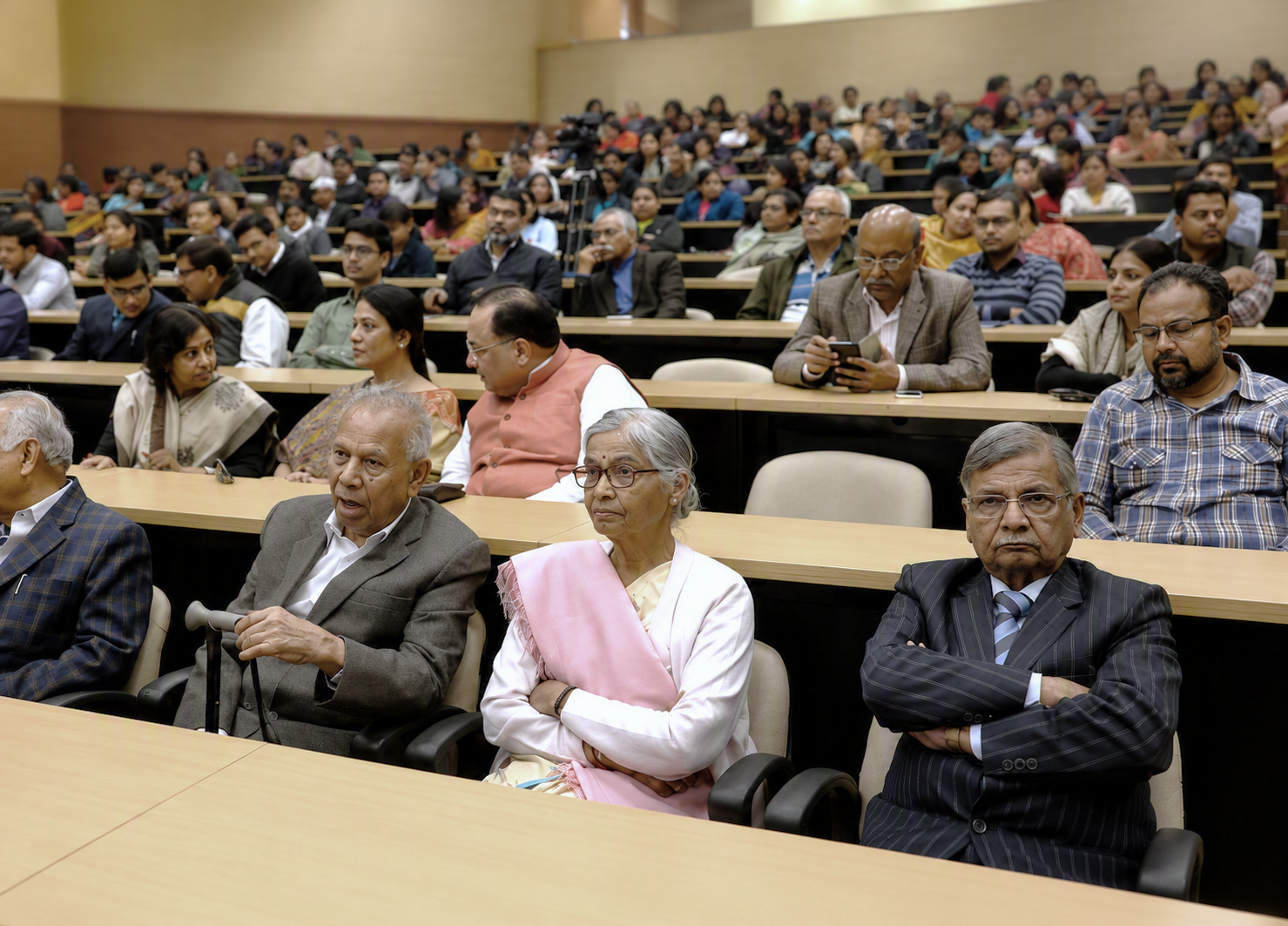
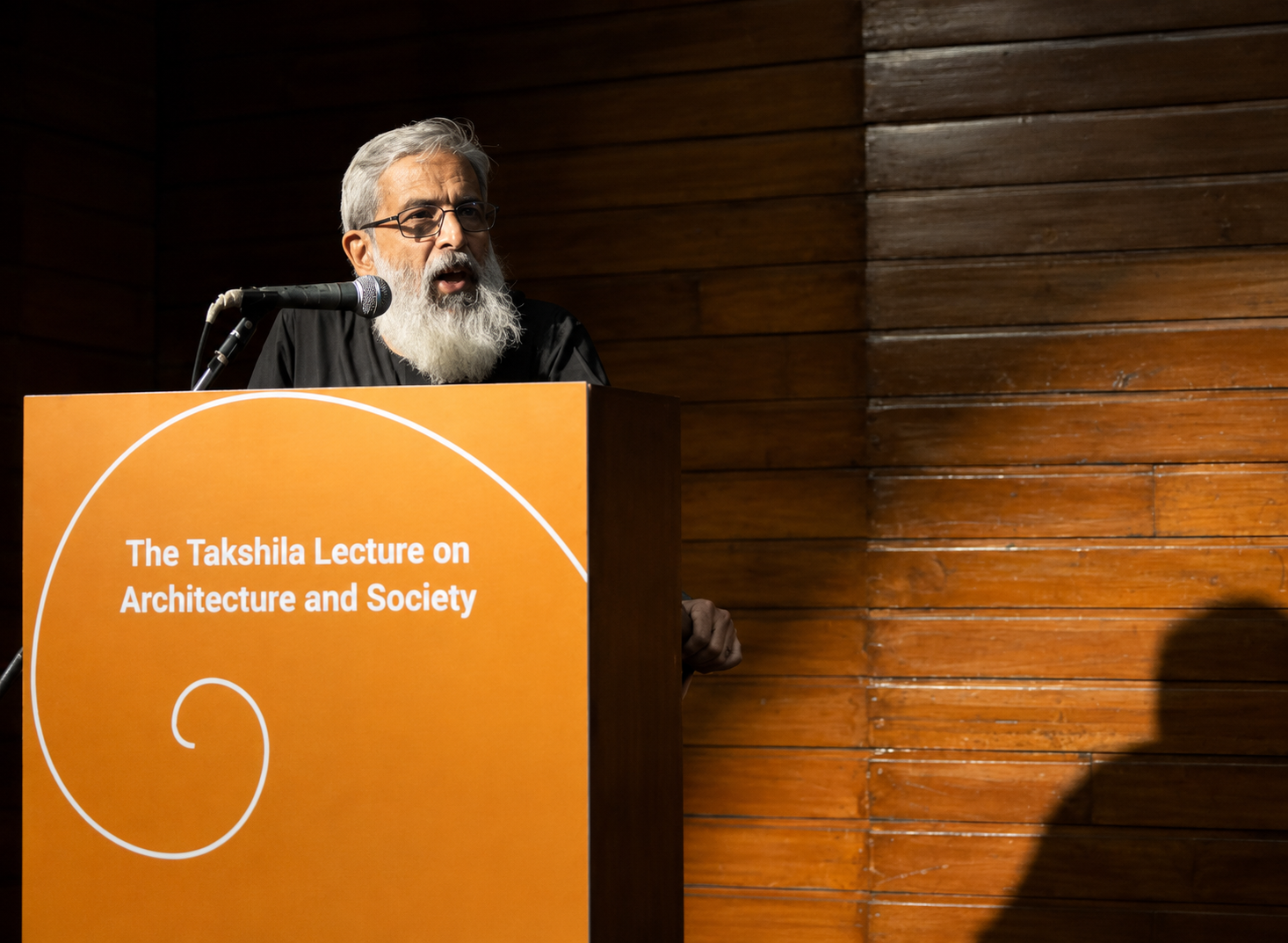
The First Takshila lecture on Architecture and Society was delivered by Prof Neelkanth Chhaya on August 14, 2018. The lecture aims to address growing disparity between the practice and pedagogy of Architecture in India, and the realities of our social, cultural and economic contexts.
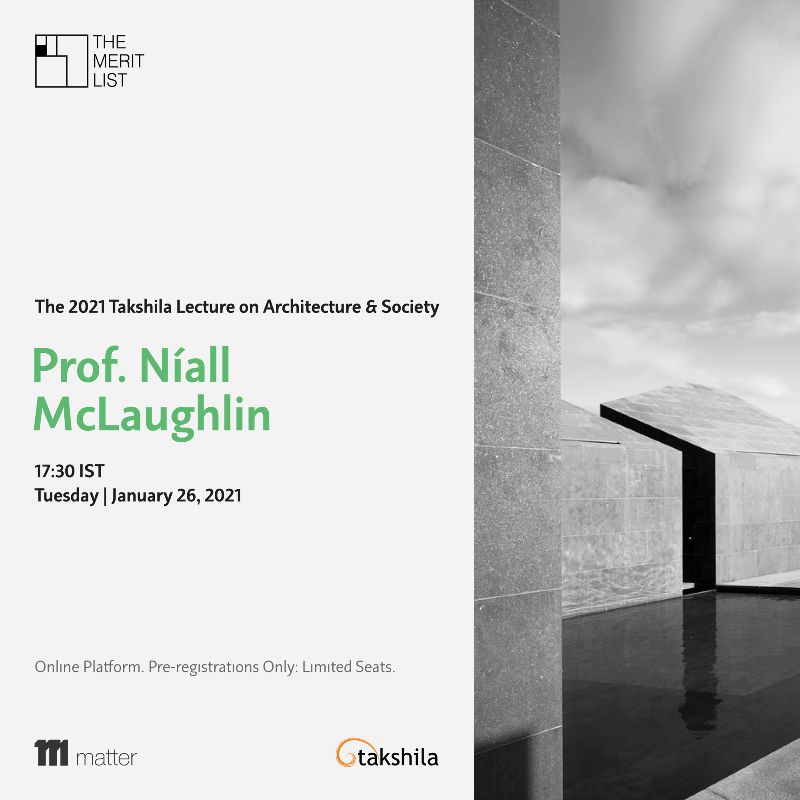
The Takshila Lecture on Architecture and Society is delivered by an eminent professional / academician that addresses growing disparity between the practice and pedagogy of Architecture in India, and the realities of our social, cultural and economic contexts. The lecture and the following dialogue aim to challenge the status-quo with a conviction that an open and honest conversation on the state of practice will instigate positive change.
The 2021 Takshila Lecture on Architecture and Society was presented by Níall McLaughlin on January 26th, 2021. Níall McLaughlin speaks about architecture fundamentally being a representation of time and society through his work over the past few decades and understand architecture as a part of a longer continuity.


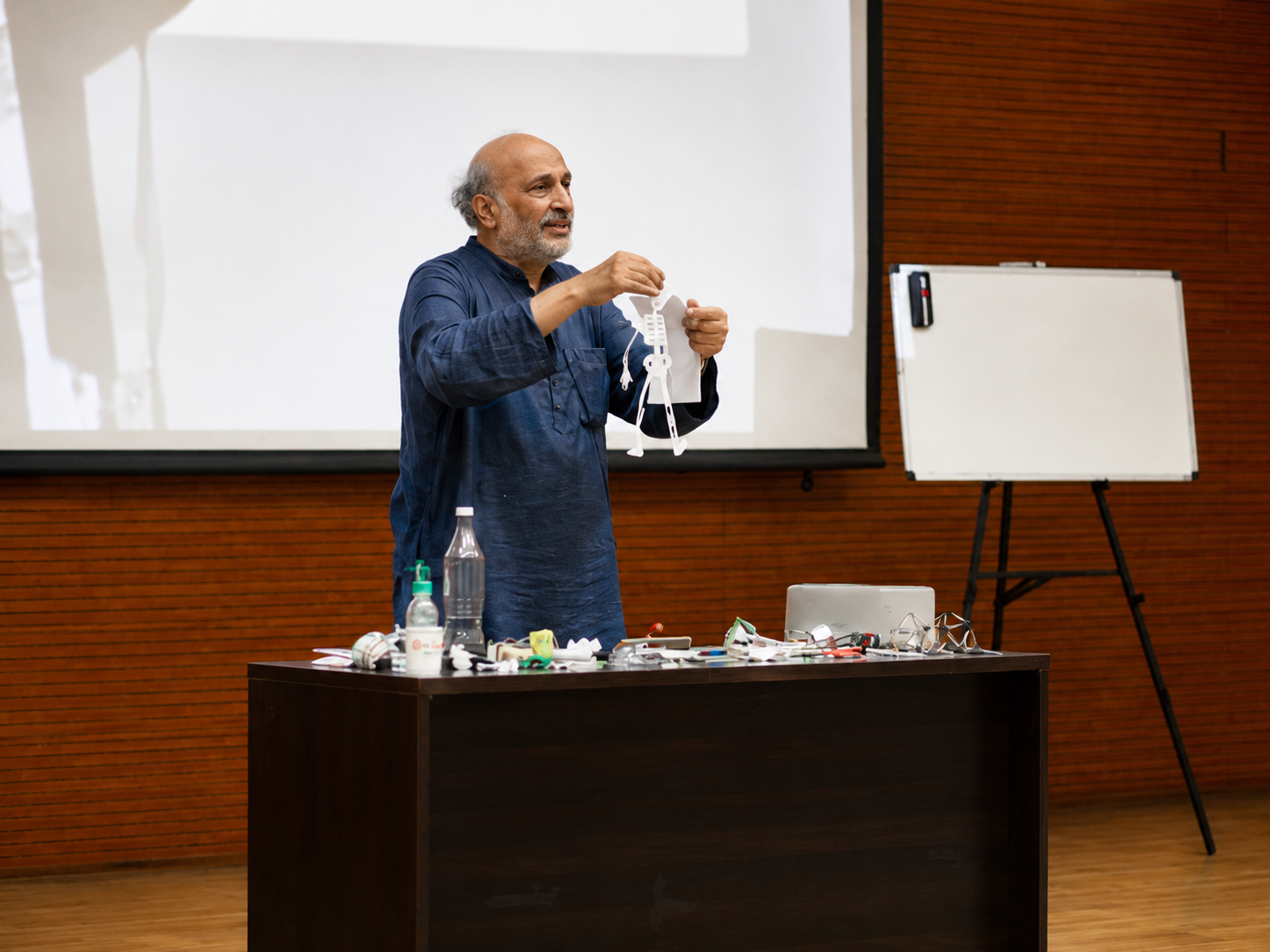
In this engaging session, Shri Arvind Kumar Gupta demonstrates how everyday materials can become powerful tools for learning science. Through simple objects such as matchsticks, rubber slippers, bicycle tubes, straws, paper, old bottles, magnets, and discarded packaging, he shows how children can explore ideas of shape, motion, sound, electricity, magnetism, volume, balance, force, and creativity.
The talk reflects Shri Gupta’s lifelong belief that children learn best through curiosity, play, experimentation, and hands-on making. Rather than memorising facts, children must be encouraged to observe patterns, ask questions, build, break, repair, and discover. His toys from trash open up science as something joyful, accessible, and democratic.
Shri Arvind Kumar Gupta is a Padma Shri awardee, science communicator, inventor, author, translator, educator, and book lover. He is widely known for his work in making low-cost science toys from everyday waste materials. His dream has been to make good books and meaningful learning resources available to every child in their own language.
A graduate of IIT Kanpur, Shri Gupta has worked extensively in science education, children’s literature, and low-cost learning materials. Over the last four decades, he has addressed students in thousands of schools and colleges, written and translated numerous books, and created hundreds of short videos on science experiments. His website, Toys from Trash, has made science learning resources freely available in many languages.
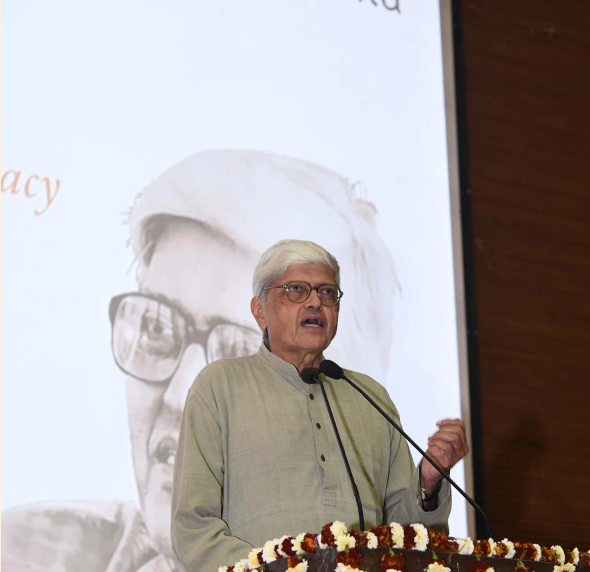
In this lecture, Shri Gopalkrishna Gandhi reflects on the foundations, achievements, and challenges of Indian democracy. Drawing on history, constitutional values, and the legacy of Mahatma Gandhi, he examines the significance of the voter, the moral responsibilities of citizenship, and the idea of India as a diverse democratic republic. The lecture considers the threats posed by violence, fear, money power, and public cynicism, while reaffirming the importance of dignity, civic engagement, and democratic institutions. Through these reflections, Shri Gandhi offers a thoughtful exploration of democracy as a lived practice that extends beyond elections and political power.
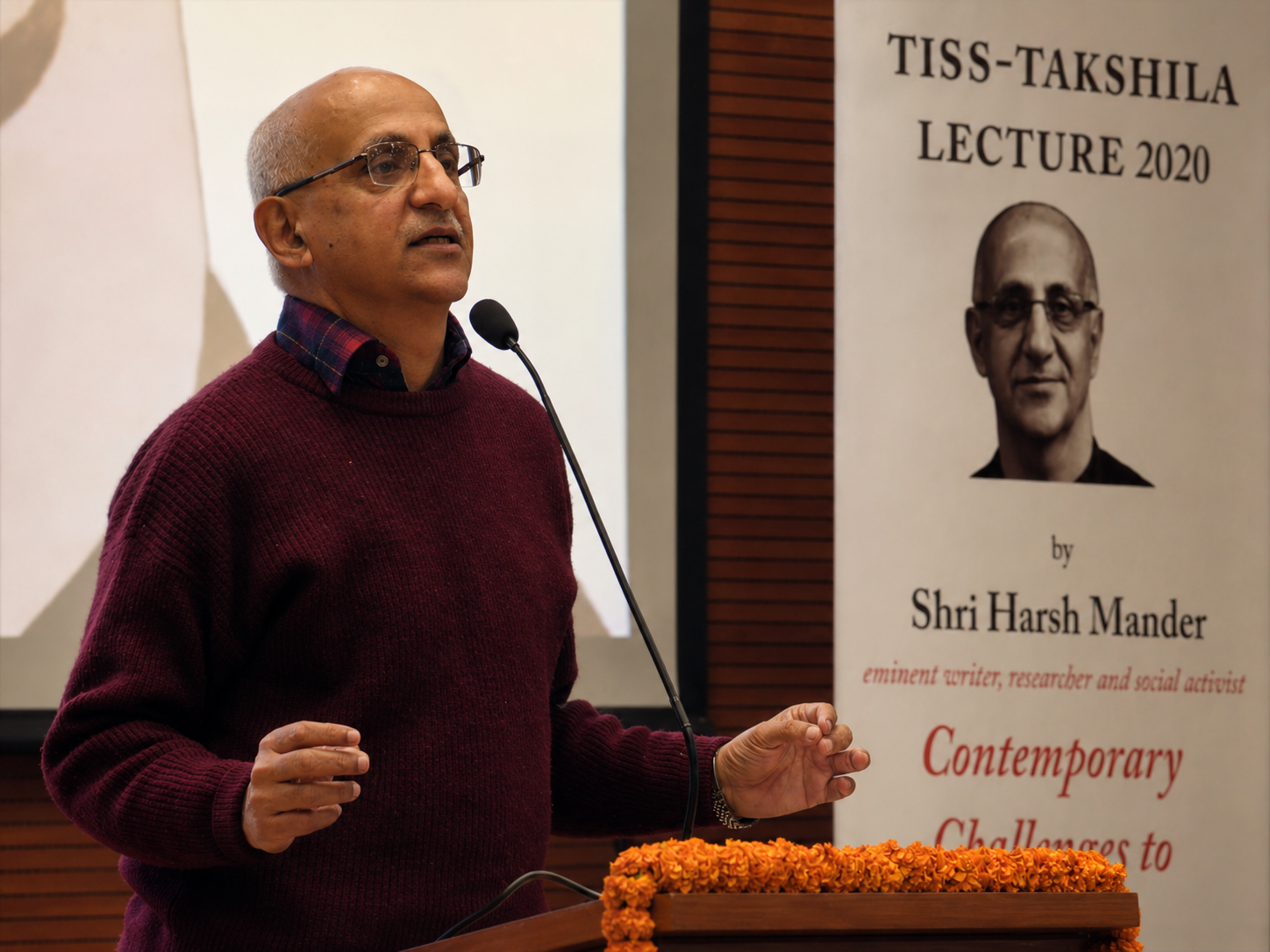
Across our programmes, children explored stories, music, movement, and creative activities, while young people found opportunities to express leadership and imagination. Artists, writers, teachers, and communities came together through workshops, exhibitions, performances, screenings, and discussions. Some activities brought people together in vibrant gatherings, while others provided time to review, reflect, and prepare for what lies ahead. Alongside the visible work, there was also important behind-the-scenes effort-listening, thinking, and planning for the future.
At the heart of all these efforts is a shared belief that education and culture should be engaging, accessible, and rooted in curiosity. They should create opportunities for learning, dialogue, creativity, and discovery. This continues to guide our work and our journey forward.
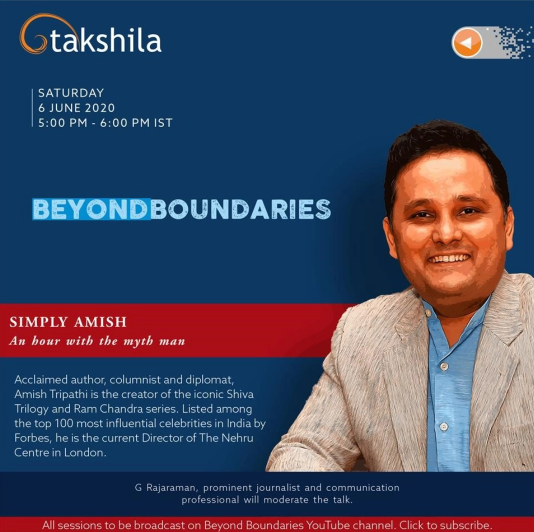
Beyond Boundaries is a series of virtual sessions broadcast over YouTube that brings articulate speakers from the world of art, education, literature, science and beyond to engage young minds in an unbound range of themes, thoughts and perspectives that facilitate their understanding of the world and its concerns.

‘On Eating a Takshila initiative weaving a tapestry of diverse eating cultures across the subcontinent. From the humble act of sustenance emerges a canvas intertwining art, history, politics, sociology, science, literature, poetry, and spirituality.
In this multilingual, genre-agnostic journal, we celebrate the rich tapestry of Indian eating traditions. Our mission is to curate contemporary narratives on food in both English and Indian languages, accompanied by modern artistic expressions.
